Picture mornings that start with glassy water on Charlotte Harbor, dolphins in the distance, and a short drive to your favorite boat ramp. If you’re looking for a slower, outdoorsy rhythm without the crowds of larger resort towns, Port Charlotte often hits the mark. In this guide, you’ll learn what life feels like near the harbor, the housing you’ll find, costs to plan for, and smart steps to buy with confidence. Let’s dive in.
Why harbor living stands out
Port Charlotte in Charlotte County offers a relaxed, suburban coastal lifestyle shaped by the water. You’ll see a mix of retirees, snowbirds, working families, and avid boaters. The vibe is friendly and low key, with days centered on fishing, boating, and sunsets over the estuary.
Winters are mild and popular for outdoor time. Summers are hot and humid with afternoon storms. Hurricane season runs from June 1 to November 30, so you plan ahead on home prep and insurance.
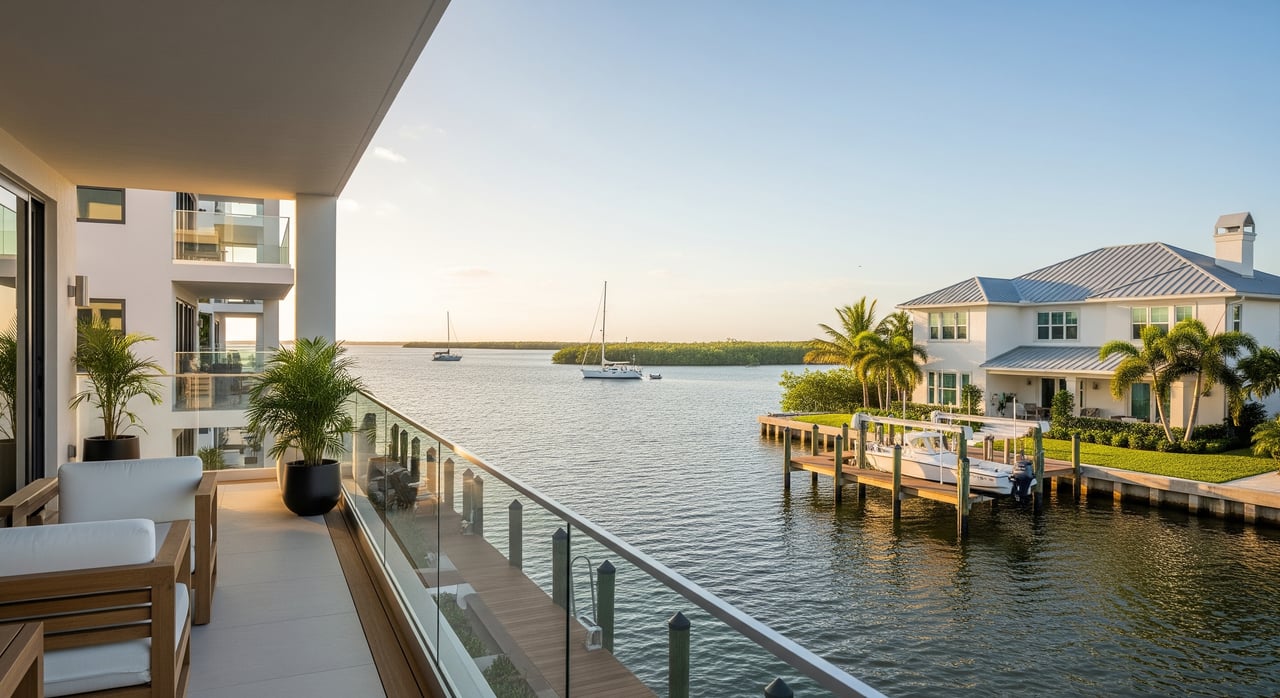
Charlotte Harbor is an estuary where Gulf and inland waters meet. That means calm backwaters for paddling, rich fishing, and mangrove-lined views that define daily life.
Outdoor recreation and water access
Boating and Gulf access
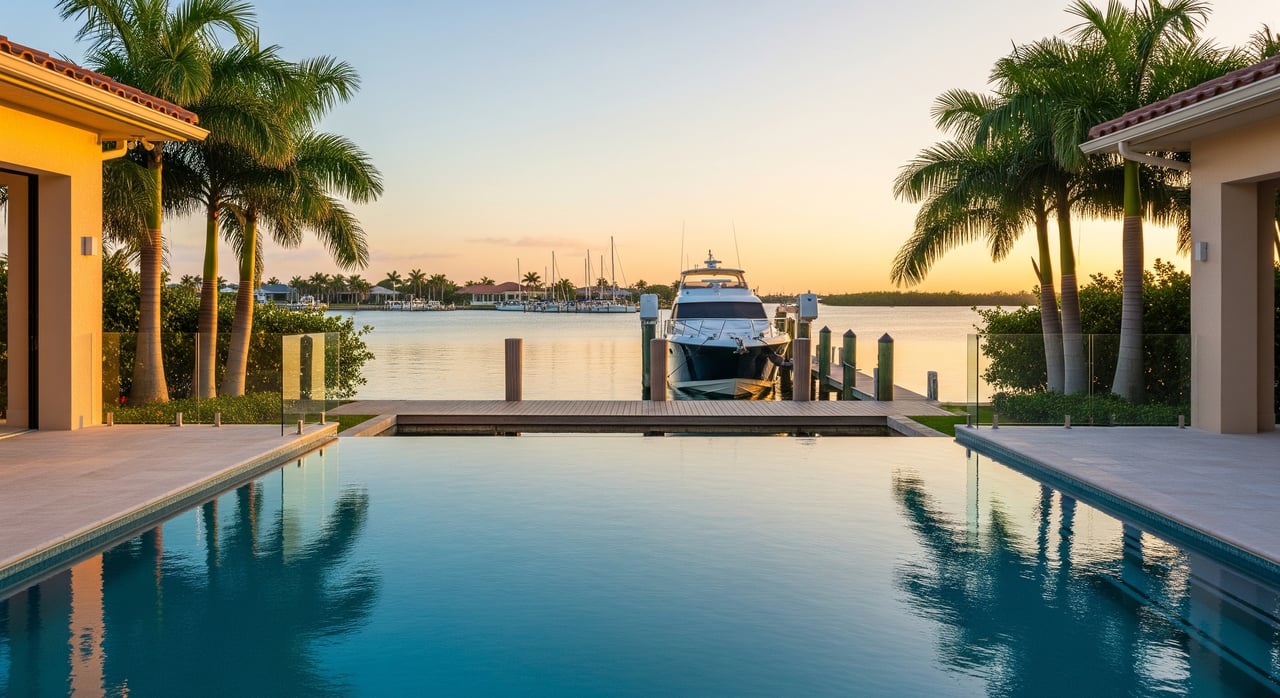
Many residents keep small fishing boats or mid-size cruisers. You’ll find public boat ramps and private marinas that make day trips practical. You can reach open water without long ocean runs, which appeals to anglers and casual boaters.
Calm mornings are great for inshore fishing and exploring islands. Wind and tide matter, so you plan routes with the day’s conditions in mind.
Parks, beaches, and wildlife
Locals enjoy county parks, nature preserves, and easy day trips to barrier island beaches to the south and southwest. Kayaking and paddleboarding in protected backwaters are common. Birdwatchers appreciate wading birds and seasonal manatee sightings.
Conservation programs focus on mangroves and water quality. You will occasionally see boating speed zones and recreation rules to protect wildlife.
Dining and everyday conveniences
Expect plenty of casual, waterfront-friendly dining with seafood on the menu. Grocery stores, services, and retail line the main corridors, and for larger cultural options you typically drive to nearby cities. Most errands stay close to home.
Homes near the harbor: what to expect
Waterfront canal homes
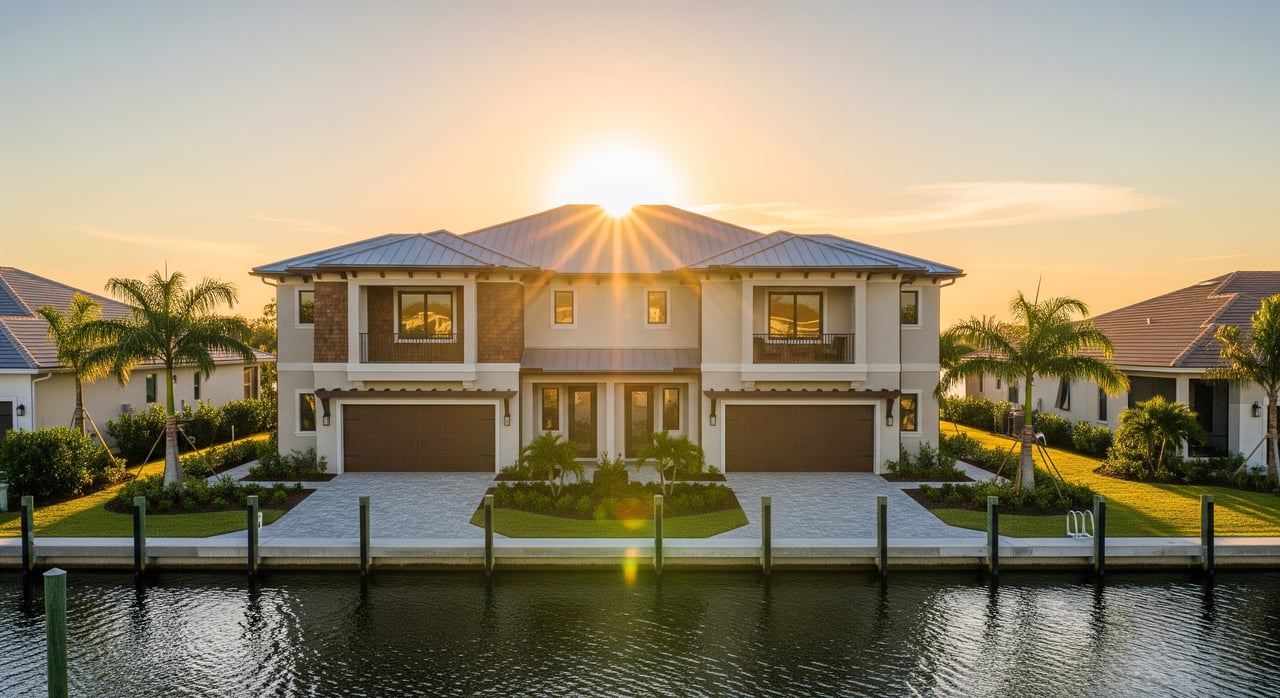
Single-family canal homes with docks and seawalls are common. These properties appeal if you want to launch from your backyard. Lot features vary, so pay attention to canal depth, bridge clearance, and travel time to the harbor.
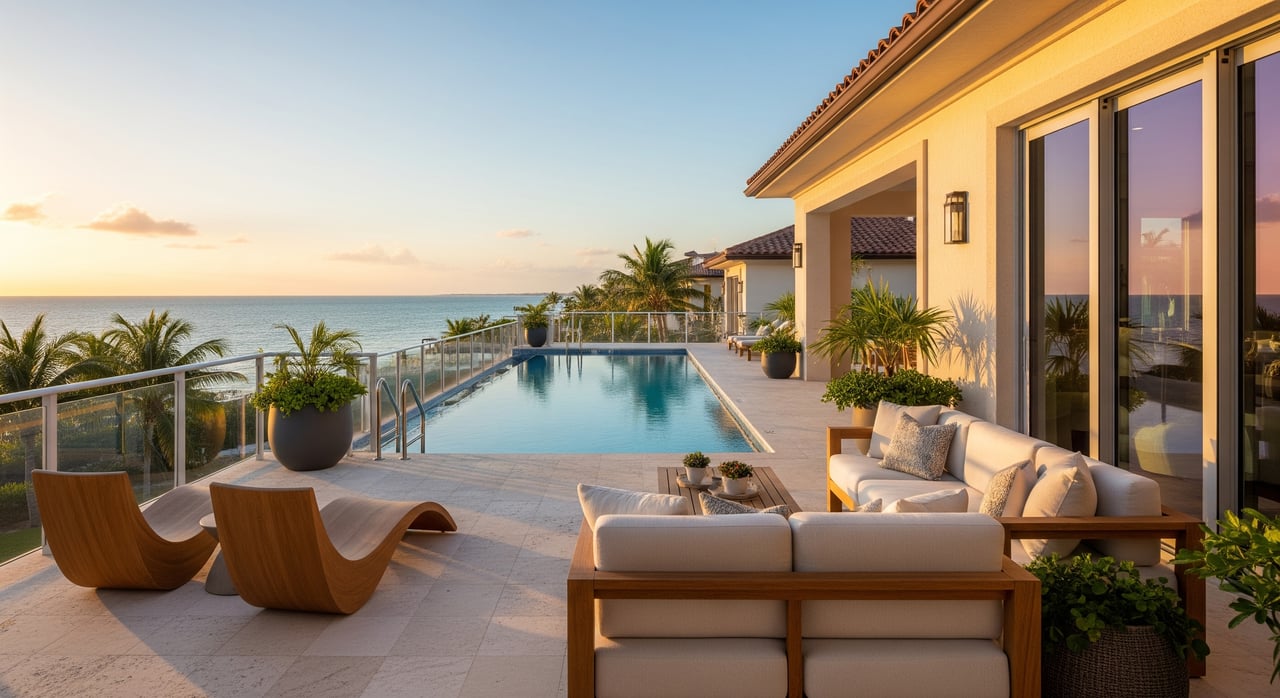
Many homes include screened lanais and outdoor living areas. Older properties may have seawalls that need periodic attention.
Inland single-family neighborhoods
You’ll see many ranch-style homes from the 1970s through the 1990s. These neighborhoods provide a quieter setting and often lower prices than direct waterfront. Buyers frequently update roofs, windows, and systems over time.
Yards are sized for easy maintenance, with room for pets or gardens. HOA rules vary by subdivision.
Condos and manufactured communities
Condominiums and manufactured home communities offer lower-maintenance living. Some include amenities like pools or clubhouses. These options can work well for seasonal residents and downsizers.
Check association rules, fees, and reserves during due diligence. Look for community features that match your lifestyle.
Newer construction and updates
You will find selective new builds and infill construction. Much of the stock is older but has been updated. Renovations often focus on kitchens, baths, hurricane protections, and outdoor living.
If newer systems matter to you, prioritize homes with recent roofs, impact windows, and wind mitigation features.
Costs and maintenance to plan for
Waterfront living comes with unique upkeep. Seawalls and docks need inspections and routine maintenance. Salt air can cause corrosion on metal fixtures and outdoor hardware.
Older homes may need roof or HVAC updates. Impact windows, shutters, and modern strapping can improve insurance profiles. Budget for ongoing exterior care and pest control in a subtropical climate.
Insurance is a key line item. Coastal homes often face higher wind and hurricane premiums. Get sample quotes early based on the property’s age, features, and location.
Practical tips before you buy
Flood zones and insurance
Review the property’s FEMA flood zone. Lenders may require flood insurance depending on the zone and loan type. Request the elevation certificate and ask about any past flood claims.
Confirm wind mitigation features for potential savings. Compare at least two homeowners and wind policies for the same property.
Utilities and internet
Utilities vary by street. Some areas are on county water and sewer, while others use private wells and septic. Verify connections and any assessments during due diligence.
Internet speeds can differ by neighborhood. If you work from home, test service in the area you like.
Schools and healthcare
Public schools belong to the School District of Charlotte County. Review district resources for assignments and performance. Healthcare options include local hospitals and outpatient services in the county.
If access to specialty care is a top priority, map distances to larger metro medical centers to confirm drive times.
Commute and airports
Port Charlotte connects by road to Punta Gorda, Fort Myers, Sarasota, and the Tampa corridor. Travel time depends on traffic and destination. Regional flights are available at Charlotte County–Punta Gorda Airport (PGD).
If you commute to a larger city, test the drive at your typical hours before you choose a neighborhood.
Permitting and shoreline rules
Dock builds, repairs, and seawall work usually need permits. Mangrove trimming and shoreline work follow environmental rules. Confirm permitting status and stay within local guidelines.
Harbor health and water quality
Water quality and algal blooms can fluctuate with weather and freshwater flows. Local agencies publish monitoring and advisories that can influence recreation and fishing. Check recent reports as part of your research.
Who this area fits
Great fit
- Boaters and anglers who want easier harbor access.
- Retirees and seasonal residents who value mild winters and outdoor living.
- Buyers seeking a more affordable harbor-front lifestyle compared with some nearby resort markets.
- Families and remote workers who want a suburban coastal setting.
You might prefer elsewhere
- You want dense urban nightlife and walkable big-city entertainment.
- You need daily access to top-tier specialty medical centers.
- You only want brand-new, luxury coastal construction at scale.
Step-by-step buyer checklist
- Run a FEMA flood zone lookup for each target address.
- Get two or more homeowners and wind/hurricane insurance quotes.
- Inspect the seawall and dock, and verify permits.
- Confirm sewer vs septic and water connection status.
- Test internet speeds in your preferred neighborhood.
- Review marina and public boat ramp options if boating matters.
- Ask your agent for current MLS data on prices and days on market.
How a local guide helps
A seasoned local agent can help you compare canal systems, flood zones, insurance realities, and neighborhood vibes. You get context on docks and seawalls, renovation quality, and fees that listings do not always explain. You also gain access to fresh MLS data and on-the-ground insight that speeds up good decisions.
If Charlotte Harbor living sounds right, let’s walk through options that fit your goals and budget. Reach out to raena everett for a friendly, no-pressure consultation.
FAQs
What is daily life like near Charlotte Harbor?
- It is relaxed and outdoorsy, with boating, fishing, parks, and casual dining shaping a slower coastal routine.
How does flood insurance work for Port Charlotte homes?
- Lenders may require it in certain FEMA zones; verify the property’s zone, elevation certificate, and get quotes early.
Can I keep a boat at a canal home in Port Charlotte?
- Many canal homes have private docks, but depth, bridge clearance, permits, and maintenance vary by property.
What home types are common near the harbor?
- You’ll find canal-front single-family homes, inland ranches from the 1970s–1990s, condos, and manufactured communities.
How close is the nearest airport to Port Charlotte?
- Charlotte County–Punta Gorda Airport (PGD) serves the area with regional flights and is a practical option for travel.
What months are hurricane season in Southwest Florida?
- Hurricane season runs from June 1 to November 30, which affects home preparation and insurance planning.