Eyeing a Port Charlotte duplex but not sure if it will actually cash flow? You are not alone. Between seasonal demand, Florida insurance costs, and varying vacancy, the numbers can be tricky. In this guide, you will learn a simple way to model rents, expenses, and net operating income so you can make a confident offer on the right property. Let’s dive in.
Why duplexes in Port Charlotte
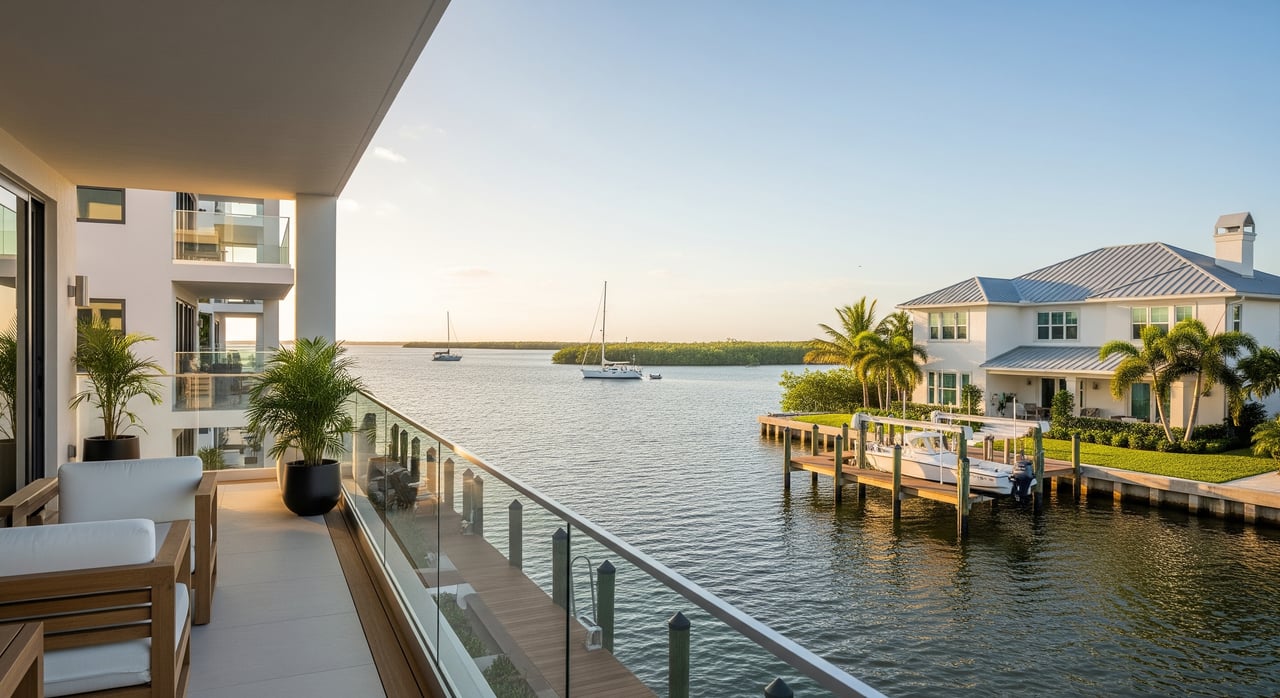
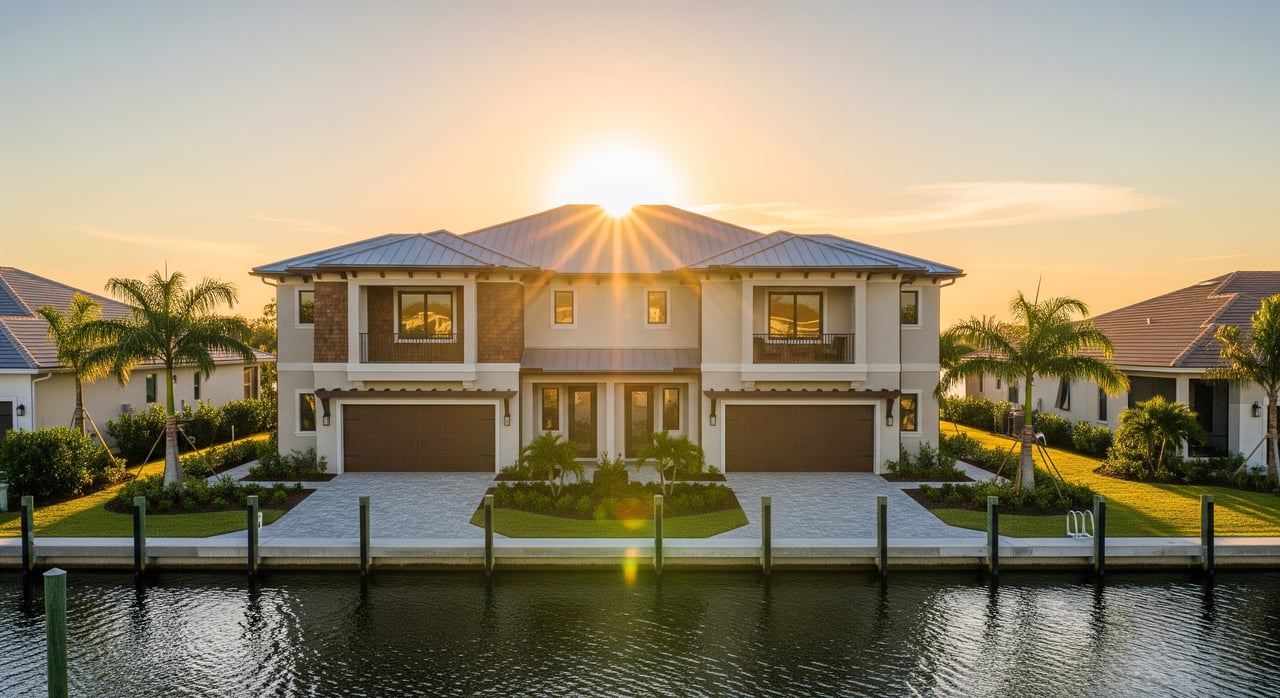
Port Charlotte sits on Florida’s Gulf Coast in Charlotte County, close to Punta Gorda and North Port. The area attracts retirees, year-round residents, and seasonal visitors, which creates steady demand for long-term rentals and some winter season lift. Duplex inventory is smaller than single-family, so sellers may price closer to single-family comparables.
Proximity to healthcare, marinas, and regional employers supports ongoing rental demand. For county housing traits and renter share, review the U.S. Census Bureau’s Charlotte County QuickFacts for a high-level snapshot of households and housing characteristics.
Estimate rents the right way
Find true comps
Price each unit based on bedroom count, condition, and amenities like A/C, parking, laundry, and a screened lanai. Use multiple sources to triangulate market rent: recent MLS listings, local property managers, and active ads on community boards. Match apples to apples on size, finish level, and pet policy.
If you need a baseline benchmark, review county-level rent ranges in the HUD Fair Market Rents dataset. Then adjust up or down for your specific unit features and location within Port Charlotte.
Factor seasonality
Expect stronger demand November through April from seasonal renters. You can model this two ways: slightly higher achievable rent during winter months or lower vacancy during that period. If you plan to target seasonal tenants, also model higher turnover and make-ready costs.
Set vacancy and other income
Without local data, a typical modeling range is:
- Strong market: 4 to 6 percent vacancy
- Normal market: 6 to 8 percent vacancy
- Older property or seasonal focus: 8 to 12 percent or more
Other income can include laundry, pet fees, storage, and tenant-paid utilities if you separately meter. Do not assume short-term rental income unless you confirm rules and costs first.
Expenses you must model
Property taxes
Investment properties in Florida are usually assessed near market value. Pull the current tax bill and prior assessments from the Charlotte County Property Appraiser to avoid guesswork. If you need a quick placeholder, many investors model 1.0 to 1.5 percent of purchase price per year, then replace with the actual bill before you offer.
Insurance and wind or flood
Coastal risk drives premiums. Get landlord and liability quotes early, and confirm whether the property sits in a FEMA flood zone. You can check parcel-level zones using the FEMA Flood Map Service Center. Wind mitigation features like newer roofs and impact windows often lower premiums. For statewide market context, see the Florida Office of Insurance Regulation.
Utilities and who pays
Confirm if units are separately metered. In many duplexes, tenants pay electric while the landlord covers water, sewer, or trash if there is a single meter. If the landlord pays any utilities, estimate costs using local rates and unit size, and reflect that in your marketing.
Maintenance and reserves
For ongoing maintenance, model 5 to 12 percent of effective gross income depending on age and condition. Add a separate replacement reserve per unit for big-ticket items like roof, HVAC, and appliances. Older Florida properties often need higher reserves due to HVAC load and storm-related wear.
Property management
Full-service management commonly runs 8 to 12 percent of collected rent, with a leasing fee at tenant turnover. If you plan to self-manage, still budget time and potential vacancy risk.
Other operating costs
Do not forget landscaping, pest control, trash, bookkeeping, marketing, leasing commissions, and occasional legal or accounting. If uncertain, add a 5 to 10 percent catch-all line.
Step-by-step cash flow worksheet
Use this simple flow so you can plug in your numbers and compare properties:
- Gross Scheduled Rent (GSR): Sum of all monthly rents at full occupancy, annualized.
- Vacancy and credit loss: Apply your vacancy rate to GSR. Subtract from GSR.
- Effective Gross Income (EGI): GSR minus vacancy, plus any other income.
- Operating expenses: Add taxes, insurance, maintenance, utilities, management, reserves, HOA if any, and other operating items.
- Net Operating Income (NOI): EGI minus operating expenses.
- Debt service: Annual principal and interest on your loan.
- Cash flow: NOI minus debt service.
- Returns: Cap rate equals NOI divided by purchase price. Cash-on-cash equals annual cash flow divided by your cash invested.
What the numbers can look like
Below are illustrative scenarios using the same sample duplex: purchase price $300,000, 20 percent down, two 2-bed units at $1,500 each per month for $36,000 per year GSR, and a 30-year fixed at 6.0 percent.
- Baseline scenario: 8 percent vacancy, taxes at 1.2 percent, insurance at $2,500, management at 10 percent, plus typical utilities and reserves. Result: Cap rate about 5.6 percent and roughly break-even cash flow at −$528 per year.
- Conservative scenario: 10 percent vacancy, higher insurance and reserves. Result: Cap rate about 3.87 percent and negative cash flow around −$5,658 per year.
- Aggressive scenario: Lower purchase price at $250,000, 6 percent vacancy, leaner operating costs. Result: Cap rate about 8.08 percent and positive cash flow near $5,823 per year with an 11.6 percent cash-on-cash return.
Key lesson: small shifts in purchase price, insurance, taxes, or vacancy can swing returns meaningfully. Always replace placeholders with actual tax bills and written insurance quotes before you commit.
Stress test and financing notes
Run sensitivities for plus or minus 5 to 10 percent rent, a 2 percent rate change, and vacancy from 4 to 12 percent. Track DSCR by dividing NOI by annual debt service. Many lenders want DSCR of 1.20 to 1.25 or higher. For a rate backdrop, monitor the Freddie Mac Primary Mortgage Market Survey.
Conventional investment loans often require 20 to 25 percent down for 2-unit properties. FHA may allow lower down payment with owner-occupancy requirements. Confirm mortgage insurance, prepayment penalties, and rental income treatment with your lender.
Neighborhood and rules to know
Property mix and condition
Duplexes are less common than single-family homes in Port Charlotte and may be older. Pay close attention to roof age, HVAC, plumbing, electrical, and any termite history. Better proximity to shopping, medical services, and water access can support stronger rents.
Landlord-tenant framework
Florida landlord-tenant law is governed by Chapter 83 of the Florida Statutes. Review security deposit rules, notice periods, and lease requirements before you market a unit. Florida preempts local rent control, though HOAs or local ordinances may set rental and occupancy rules for a given property.
Flood and hurricane readiness
Confirm flood zone, elevation, and wind mitigation details early. In addition to FEMA mapping, ask for any wind mitigation inspection reports that could lower premiums.
Quick due diligence checklist
- Three to five rent comps per unit size, plus a conversation with a local property manager
- Current tax bill and assessments from the Charlotte County Property Appraiser
- Written insurance quotes for landlord and liability, plus flood if applicable
- Roof, HVAC, electrical, plumbing, and termite or wood-destroying organism report
- Utility setup: separate or single meters, who pays what
- Zoning and legal use confirmation for duplex occupancy
- Lease audit if tenant-occupied: terms, deposits, and payment history
- Property management quotes and expected leasing fees
How a local advisor helps
You do not have to underwrite alone. A local, boots-on-the-ground perspective makes a big difference in rent comps, seasonality, insurance expectations, and flood risk. If you are evaluating a Port Charlotte duplex, I can help you source the right options, gather the tax and insurance data, and pressure test your numbers before you write an offer.
Ready to start? Reach out to raena everett for a consult and local duplex opportunities.
FAQs
What vacancy rate should I use for a Port Charlotte duplex?
- Without local data, model 6 to 8 percent as a starting point and adjust for age, condition, and seasonality, with older or seasonal strategies at 8 to 12 percent.
How can I estimate property taxes for a Charlotte County duplex?
- Pull the current bill and prior assessments from the Charlotte County Property Appraiser, and use 1.0 to 1.5 percent of price only as a placeholder.
Do I need flood insurance for a duplex in Port Charlotte?
- Check the property’s FEMA flood zone and elevation; if in a high-risk zone, budget flood insurance in addition to landlord and liability coverage.
What insurance costs should I expect for a Florida duplex?
- Premiums vary with wind and flood risk; obtain at least two local quotes and ask about wind mitigation credits to refine your pro forma.
How do I factor interest rates into my cash flow model?
- Use a current rate benchmark like the Freddie Mac PMMS, calculate annual debt service, then run sensitivities at plus or minus 2 percent.
What laws govern residential rentals in Florida?
- Florida Statutes Chapter 83 covers residential tenancies, including deposits, notices, and evictions, so review it before drafting leases.