Trying to decide between North Port and Port Charlotte without blowing your budget? You’re not alone. Many buyers want the best mix of value, amenities, and long-term costs before they commit. In this guide, you’ll compare what you can buy in each area, see real monthly cost examples, and learn the key trade-offs that matter. Let’s dive in.
North Port vs Port Charlotte snapshot
- Port Charlotte, in Charlotte County, often offers lower entry prices and more older resale homes and condos. You’ll also find many neighborhoods with no HOA and strong canal and Charlotte Harbor access.
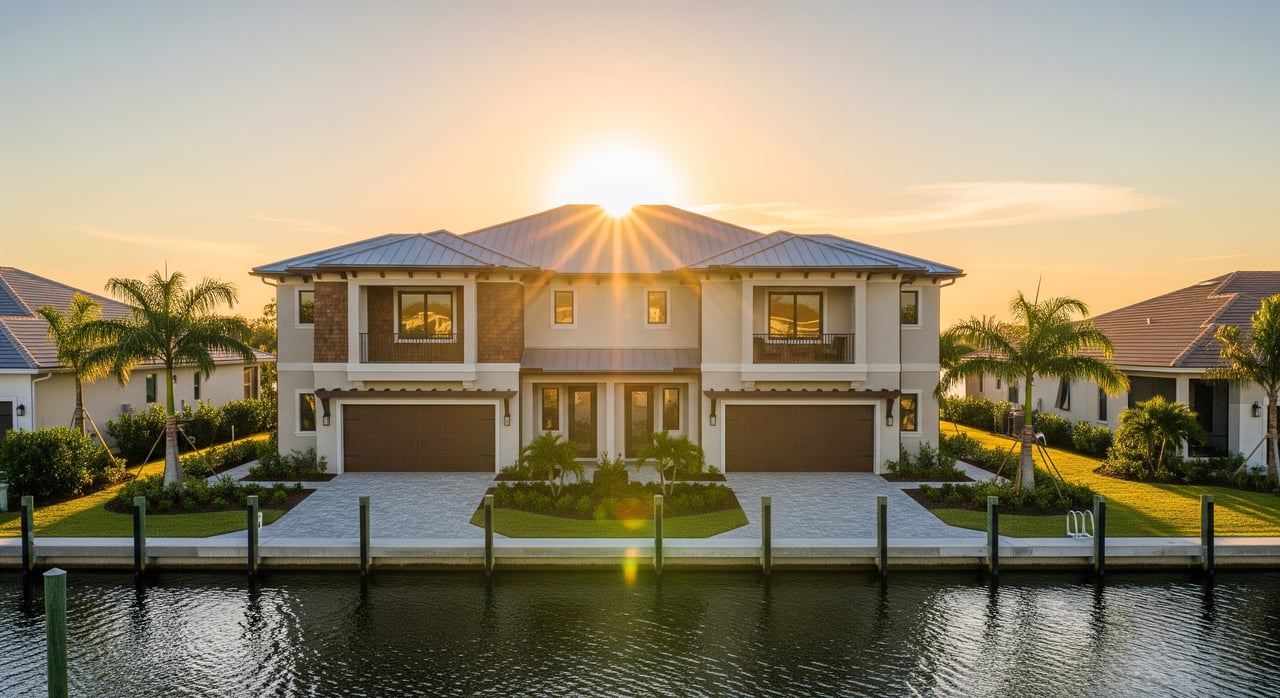
- North Port, in Sarasota County, has seen fast growth and more new construction. Expect a larger share of newer single-family homes in planned communities, often with HOAs and amenities.
- The two areas sit in different counties, with different property tax structures and school districts. Always compare tax bills and community services when you shortlist homes.
What you get for your money
Entry level
- Port Charlotte: A wide range of lower-cost resale single-family homes, duplexes, condos, and mobile homes. Investors and first-time buyers often start here.
- North Port: Entry-level single-family resales and some smaller new-build villas. Fewer very low-price condos compared with Port Charlotte.
Mid range
- Port Charlotte: Resale single-family homes on moderate lots and non-premium canal homes. Some condo options as well.
- North Port: Many newer single-family homes in planned communities, often with more floor-plan variety and larger lot footprints.
Premium and waterfront
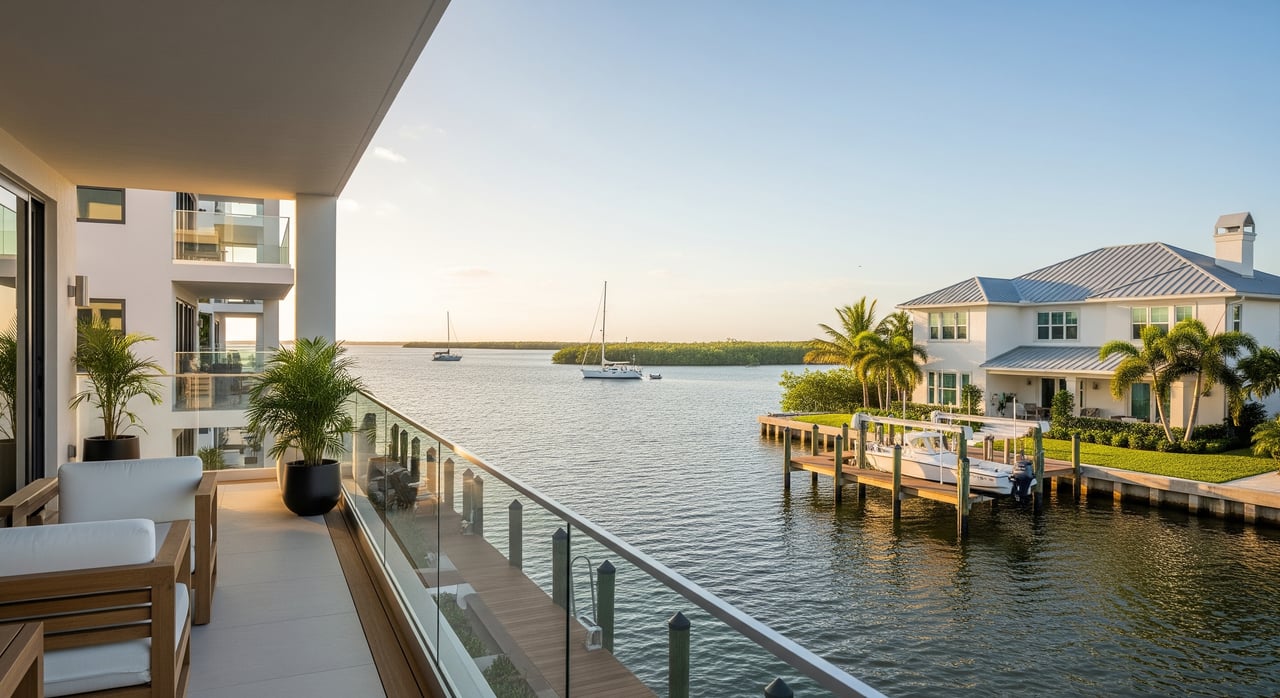
- Port Charlotte: A strong selection of canal and waterfront properties, including deep-water options with Charlotte Harbor and Gulf access, plus premium condos and renovated homes.
- North Port: Higher-end gated communities and larger-lot homes. There are fewer deep-water, Gulf-access options than Port Charlotte and nearby Punta Gorda or Venice.
Monthly cost examples to compare
Below are illustrative scenarios using common assumptions: 30-year fixed at 6.5 percent APR, 20 percent down, property taxes roughly 1.0–1.3 percent annually, homeowner insurance 2,000–4,000 dollars per year, and maintenance at 0.5–1.0 percent annually. HOA and flood insurance vary by home and community.
Port Charlotte example: entry single-family
- Price: 260,000 dollars, 20 percent down, loan 208,000 dollars
- Principal and interest: about 1,312 dollars per month
- Property tax: about 238 dollars per month (1.1 percent assumption)
- Insurance: about 200 dollars per month
- HOA: 0 dollars per month assumed for a non-HOA area
- Maintenance: about 173 dollars per month
- Total estimated monthly housing cost: about 1,923 dollars
Also common in Port Charlotte: mid-range waterfront or updated resale around 380,000 dollars, or condos with higher HOA fees that can change the monthly cost picture.
North Port example: newer home in a subdivision
- Price: 340,000 dollars, 20 percent down, loan 272,000 dollars
- Principal and interest: about 1,718 dollars per month
- Property tax: about 298 dollars per month (1.05 percent assumption)
- Insurance: about 233 dollars per month
- HOA: about 150 dollars per month for a community with amenities
- Maintenance: about 227 dollars per month
- Total estimated monthly housing cost: about 2,626 dollars
Also common in North Port: larger new single-family homes around 480,000 dollars in gated communities. In some subdivisions, Community Development District fees may apply as an additional cost.
How to use these examples
- Look at total monthly cost, not just the mortgage. HOA and insurance can tilt the decision.
- A lower purchase price with a high condo fee can equal or exceed the monthly cost of a higher-priced home with no HOA.
- If you are comparing two homes, build a quick matrix with price, HOA or CDD, estimated taxes, insurance range, and any flood insurance requirement.
HOAs, condos, and 55+ considerations
- Port Charlotte has many non-HOA neighborhoods, especially in older subdivisions. Condo HOA fees vary widely and can be a significant monthly expense in waterfront buildings.
- North Port has more HOAs due to newer, master-planned communities. Fees often include amenities like pools, landscaping, and private road maintenance, along with architectural guidelines.
- Before you buy, review: monthly or quarterly dues, reserve funding and assessments, what the HOA covers, rental rules if you are an investor, and any active litigation or insurance challenges for condos.
New construction vs resale trade-offs
- New construction advantages: modern codes, builder warranties, energy efficiency, and predictable finishes and amenities. Trade-offs can include higher base prices, lot premiums, wait times, and HOA or CDD costs.
- Resale advantages: lower price points in many Port Charlotte neighborhoods, potential room to negotiate, and established landscaping. Trade-offs can include older systems, possible renovation needs, and lower energy efficiency.
Costs that can shift your budget
- Insurance and hurricanes: This is coastal Florida. Premiums and underwriting availability can materially affect monthly costs. Get quotes early in your search.
- Flood zones: Depending on elevation and FEMA mapping, flood insurance may be required. It can be a major line item, so verify property-specific details before you write an offer.
- Property taxes: Charlotte County and Sarasota County have different millage rates and exemptions. Factor in the Florida homestead exemption if you will owner-occupy.
- CDD fees: Some North Port planned communities use CDDs to fund infrastructure. These fees are paid annually and can be built into your monthly budgeting.
- Maintenance: Budget 0.5–1.0 percent of the purchase price per year. Newer homes may reduce near-term costs, but plan for long-term upkeep.
How to choose the right fit
- Define your must-haves. Waterfront access, newer construction, low HOA fees, or neighborhood amenities will lead you in different directions.
- Set a total monthly target. Include mortgage, taxes, insurance, HOA or CDD, and maintenance.
- Shortlist by lifestyle. Port Charlotte is strong for value and canal access. North Port is strong for newer homes and planned amenities.
- Compare like for like. Line up two homes with similar size and features, then stack the monthly costs side by side.
- Walk the areas. Drive times to services, parks, and retail corridors matter for day-to-day living.
Bottom line
If you want the lowest entry costs and more condo or waterfront options, Port Charlotte often stretches your budget further. If you prefer newer communities with amenities and a higher share of single-family homes, North Port may be worth the premium. The best choice is the one that aligns your monthly comfort level with the lifestyle you want.
Ready to run the numbers on homes that match your goals in Port Charlotte or North Port? Reach out to raena everett for a local, step-by-step plan and neighborhood options that fit your budget.
FAQs
Which area is generally cheaper for buyers?
- Port Charlotte typically offers lower entry prices and more low-cost condo options, while North Port has a larger share of newer, slightly higher-priced single-family homes.
How do HOA fees differ in North Port and Port Charlotte?
- North Port’s newer, planned communities often include HOAs that cover amenities. Port Charlotte has many non-HOA areas but condo fees, especially for waterfront buildings, can be significant.
Do I need flood insurance in either location?
- It depends on the specific property’s elevation and FEMA flood zone. Near-shore or low-lying homes may require flood insurance, so verify early in the process.
Is paying more for new construction in North Port worth it?
- Many buyers value newer systems, energy efficiency, and warranties. Weigh those benefits against higher base prices, HOA or CDD costs, and potential lot premiums.
How should I compare two neighborhoods side by side?
- Match home types, then compare price, HOA or CDD fees, estimated taxes, insurance, and any flood zone requirements. Review recent sales in the past 6–12 months for context.